What studies in this area look at
Studies here often follow a medicine for blood pressure, cholesterol or heart failure over a longer stretch, because the question is whether it prevents a heart attack or a stroke, and that takes time to answer.
Others are shorter and look at a single measurement, such as how far blood pressure falls in a few weeks. Rhythm studies may test a wearable monitor, and some recruit people after a procedure such as a stent.
Who often takes part
Each study sets its own rules, so this is a picture of the kinds of people these studies tend to ask for, not a checklist.
- Adults with high blood pressure, treated or not
- People with high cholesterol or a family history of heart disease
- People living with heart failure or an irregular heartbeat
- People who have had a heart attack, stent or bypass
What taking part can involve
Visits vary from study to study. These are among the things the team may ask of you:
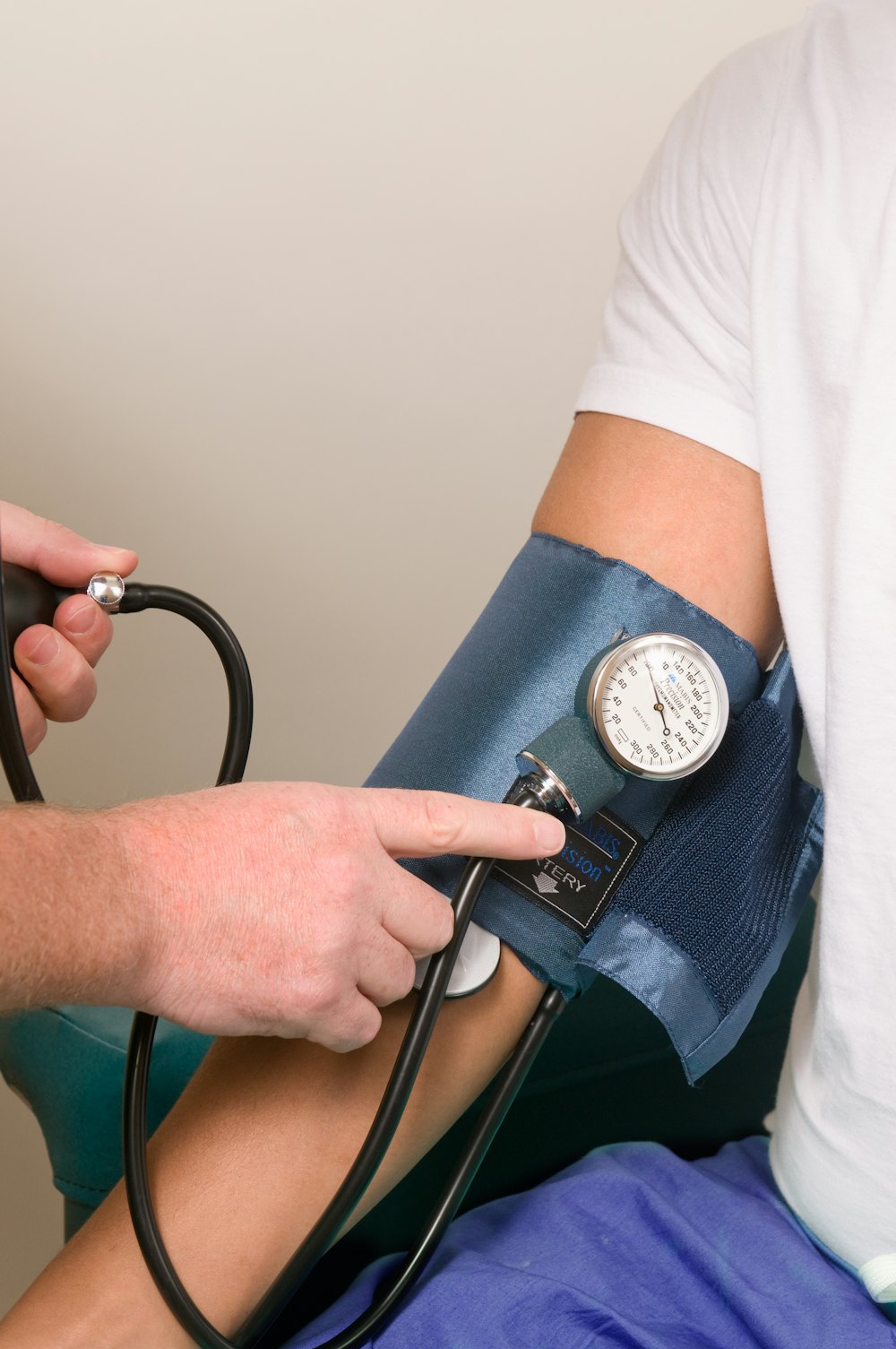
- Blood pressure taken at rest, sometimes worn at home for a day
- An ECG, a painless recording of the heart’s rhythm
- Blood tests for cholesterol and kidney function
- An ultrasound scan of the heart in some studies
Questions worth asking
Alongside the general questions for any study, these come up often in this area:
- Could my current heart medicine be changed or paused?
- How long does the study last, and what happens when it ends?
- Will my own cardiologist be told I am taking part?